


Squeegee and Heat Gun Basics: Tools You Need Before Wrapping a Car
A good car vinyl wrap isn't just about the film. It's about the tools that get it onto the panel cleanly. Before you order a roll and start on a bonnet, it's worth understanding what a squeegee and a heat gun actually do, and why both matter just as much as the vinyl itself.
Why the Squeegee Does More Than You'd Think
A squeegee looks like a simple flat tool, but it's doing two jobs at once. First, it pushes air out from under the film as you apply it, which is what stops bubbles from forming. Second, it presses the adhesive down firmly onto the panel so the wrap actually bonds properly instead of lifting at the edges later.
Not all squeegees are the same. A felt-edged squeegee is softer and less likely to scratch the film's surface, which matters most on gloss and chrome finishes where marks show easily. A harder plastic squeegee gives more pressure and control, which helps on flatter panels where you're pushing out larger air pockets. Most people working with automotive vinyls end up using both at different stages of the same job.
What the Heat Gun Is Actually For
The heat gun isn't there to make the vinyl easier to peel and stick — it's there to make the film stretch and shape around curves. Vinyl wrap is designed to soften slightly under heat, which lets it mould around mirrors, door handles, and curved panel edges without cracking or lifting.
Heat also helps with two other things:
-
Shrinking out small bubbles — gentle heat can pull the film tighter over a stubborn air pocket, sometimes avoiding the need to lift and reapply
-
Setting the film once it's positioned — a final pass of heat helps the adhesive bond more securely, especially around edges
Too much heat, or heat held too close for too long, can stretch the film unevenly or damage the finish. A steady, moving hand with the heat gun matters more than raw power.
Getting the Basics Right Before You Start
A few habits make the biggest difference for anyone new to using these tools:
-
Keep the squeegee moving in overlapping strokes, rather than pressing hard in one spot
-
Warm the film gently before stretching it around a curve, rather than forcing it cold
-
Work from the centre outward to push air toward the edges instead of trapping it in the middle
-
Test heat settings on an offcut first if you're not familiar with how a particular film reacts
Why the Source of Your Vinyl Matters Too
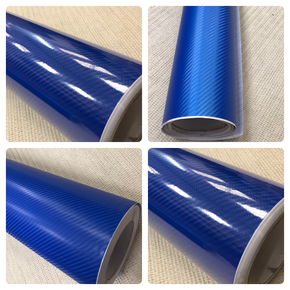
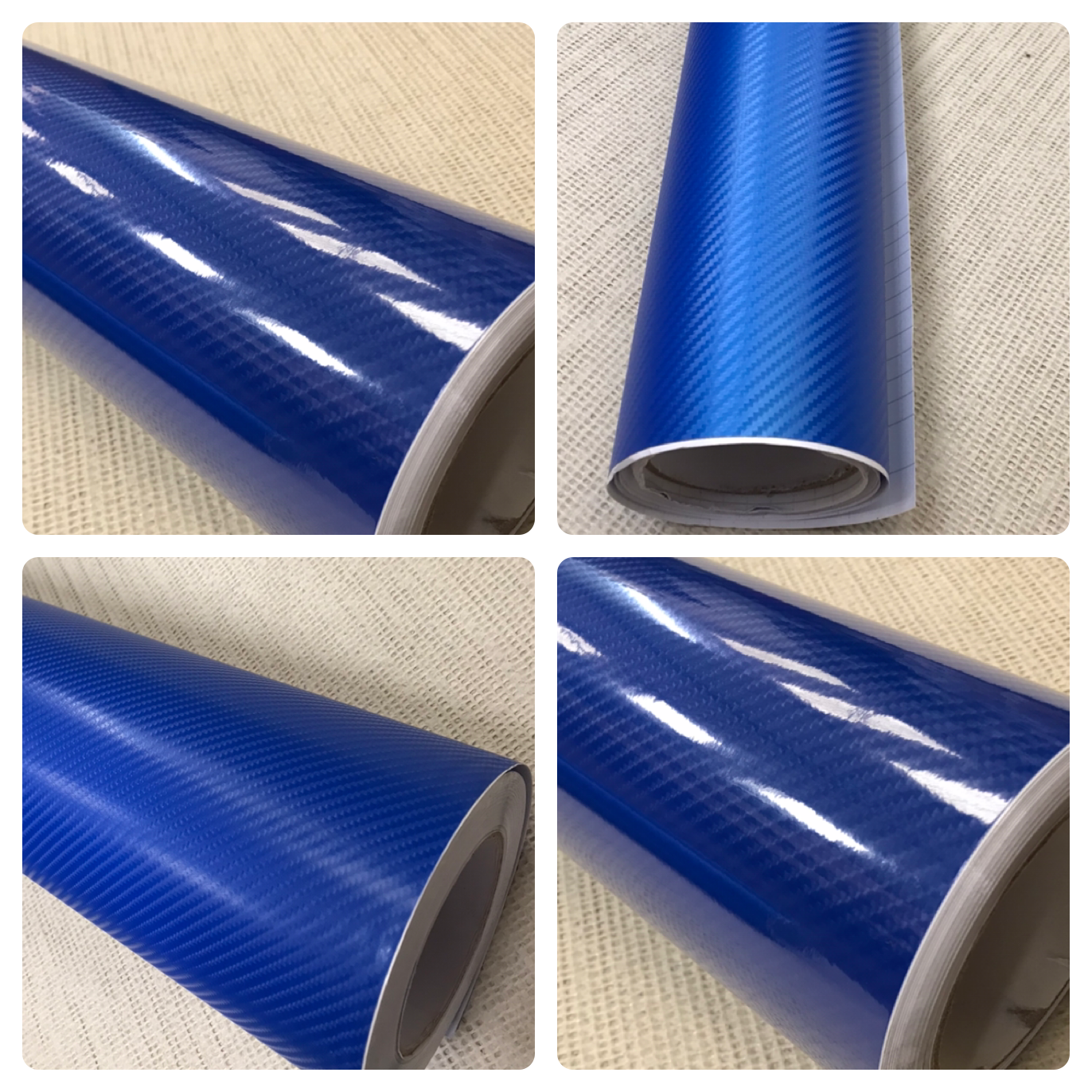
Good technique only goes so far if the film itself isn't built for the job. A reliable auto vinyl wrap supplier will sell film designed with air-release channels built in, so trapped air has somewhere to escape even with basic tools and a bit of practice. Cheaper, unbranded rolls often skip this feature entirely, which makes even a well-handled squeegee and heat gun struggle to get a clean finish.
Choosing a proper vinyl wrap supplier isn't just about getting the right colour. It's about starting with a film that's actually designed to be worked with, so the tools in your hands can do their job properly.
Getting Ready to Wrap
A squeegee and heat gun are the two tools that turn a roll of film into a finished panel. Get comfortable with how each one behaves, practise on a spare panel or offcut first, and make sure the vinyl you're using is built for the job. With the right basics in place, browsing a proper range of automotive vinyl wrap film and getting started becomes a manageable weekend project rather than a frustrating one.