
How Vinyl Wrap Is Manufactured: From Film to Finish
When you see a beautifully wrapped vehicle, it's easy to admire the final result without thinking about the technology behind it. A high-quality vinyl wrap doesn't just happen—it goes through a carefully controlled manufacturing process that combines advanced materials, precision engineering, and strict quality testing.
From the first layer of vinyl film to the finished roll ready for installation, every stage plays an important role in creating a product that looks great, lasts for years, and performs reliably on a wide range of vehicles.
In this guide, we'll take a closer look at how vinyl wrap is made and why manufacturing quality makes such a difference.
It All Starts with Premium Vinyl Film
The process begins with high-quality PVC (Polyvinyl Chloride), the material used to create the flexible film that forms the base of every vinyl wrap.
Special additives are blended into the material to improve flexibility, durability, colour stability, and resistance to weather. These ingredients help the film stretch smoothly over curves and maintain its appearance even after years of outdoor exposure.
The quality of the raw material has a direct impact on how the wrap performs during installation and throughout its lifespan.
Creating the Wrap Film
Once the material is prepared, it is formed into thin sheets using specialised manufacturing equipment.
Premium manufacturers often use cast vinyl technology, where liquid vinyl is poured onto a casting sheet and slowly cured. This process produces an extremely thin, flexible film that easily conforms to complex vehicle shapes.
Lower-cost products are commonly made using a calendaring process, where heated rollers press the material into sheets. While this method is more economical, cast films generally offer better flexibility, durability, and long-term performance.
Adding Colour and Finish
After the film has been produced, it receives its distinctive appearance.
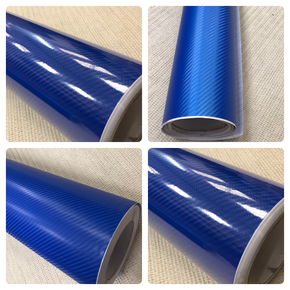
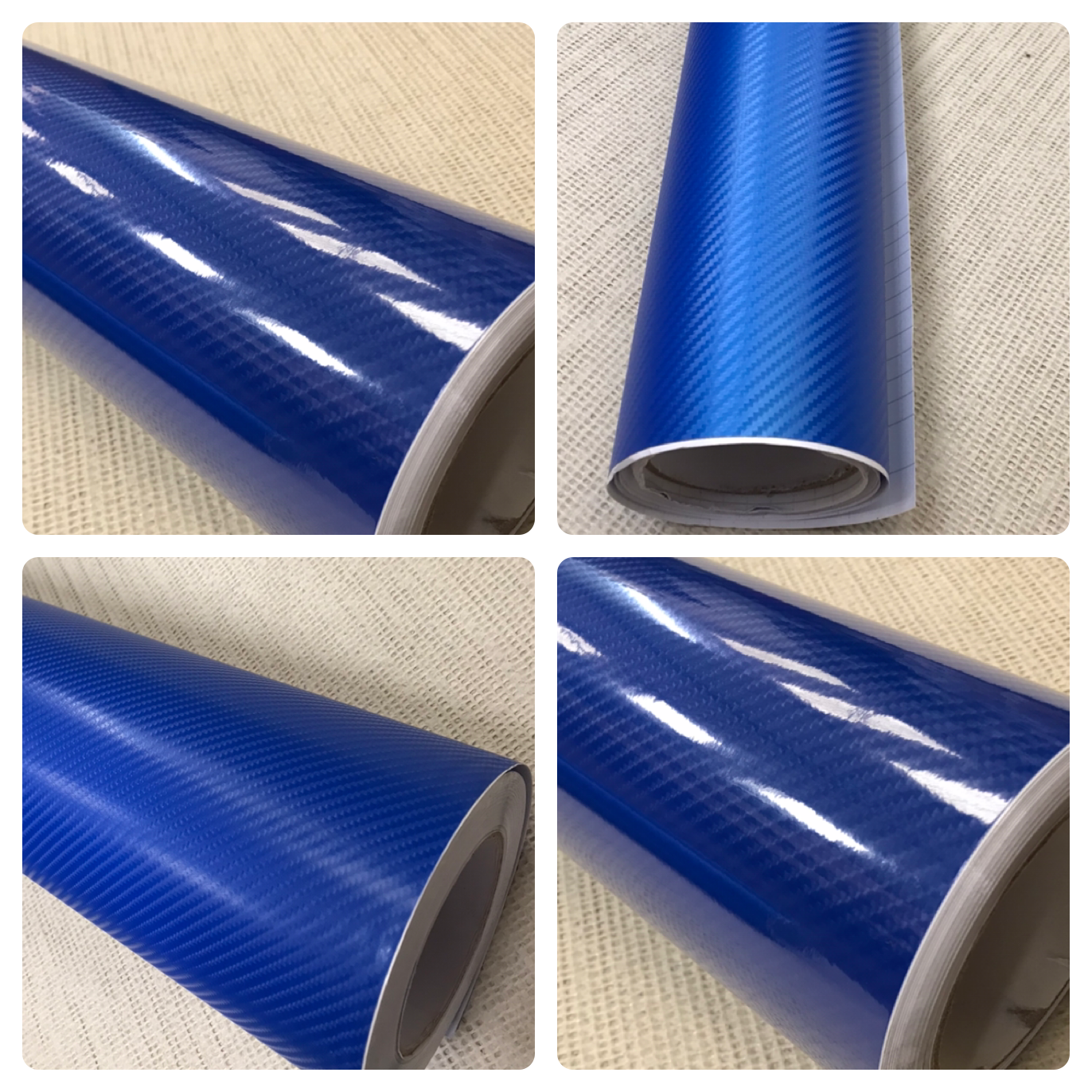
Whether it's gloss, matte, satin, metallic, or carbon fibre, manufacturers apply advanced pigments and surface treatments to achieve the desired finish.
Modern production techniques ensure colours remain vibrant while resisting fading caused by sunlight and harsh weather conditions.
This stage is also where specialty textures and realistic patterns are created, giving today's wrapping films their premium appearance.
Applying the Adhesive Layer
One of the most important parts of manufacturing is the adhesive.
A quality vinyl wrap uses pressure-sensitive adhesive that creates a secure bond while still allowing the film to be repositioned during installation.
Many premium products also feature air-release technology, which includes tiny channels within the adhesive. These channels allow trapped air to escape during application, helping installers achieve a smooth, bubble-free finish more easily.
This innovation has transformed vehicle wrapping, making installation faster and more reliable for both professionals and DIY users.
Quality Testing Before Production Ends
Before a roll of wrapping film reaches customers, it undergoes extensive quality testing.
Manufacturers check important factors such as:
- Colour consistency
- Film thickness
- Stretch performance
- Adhesive strength
- UV resistance
- Weather durability
These tests ensure that every roll meets strict performance standards and delivers consistent results during installation.
High-quality films are designed to withstand changing weather conditions, road debris, moisture, and daily driving without losing their appearance.
From Factory to Your Vehicle
Once the film passes inspection, it is wound into rolls, carefully packaged, and prepared for distribution.
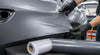
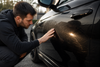
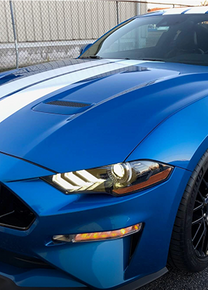
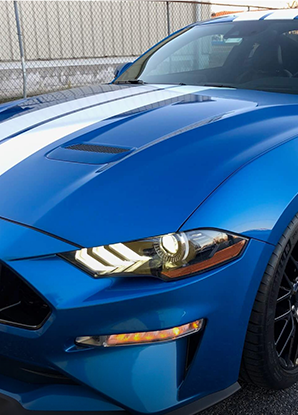
When installed correctly, a premium vinyl wrap can conform to complex curves, body panels, mirrors, roofs, bonnets, and interior trim while maintaining a clean, professional finish.
This combination of advanced manufacturing and proper installation is what allows modern vehicle wraps to remain durable and attractive for many years.
Why Manufacturing Quality Matters
Not every wrapping film performs the same.
A well-manufactured vinyl wrap is easier to install, conforms better to difficult surfaces, resists shrinking and lifting, and maintains its colour for longer. Choosing a premium product may cost slightly more initially, but it often delivers better long-term value by reducing installation issues and extending the life of the wrap.
For vehicle owners, this means a finish that not only looks impressive on day one but continues to perform well through everyday driving and changing weather conditions.
Why Choose SkyWrap?
At SkyWrap, we believe quality begins with the materials. That's why we offer premium vinyl wrap products designed to deliver outstanding performance, durability, and professional-looking results.
Our collection includes gloss, matte, satin, metallic, carbon fibre, camouflage, and specialty finishes, along with headlight tint films, window tint films, and installation accessories. Whether you're a DIY enthusiast or a professional installer, our products are selected to help make every wrapping project easier and more reliable.
Final Thoughts
Every premium vinyl wrap starts long before it reaches your vehicle. From carefully selected raw materials and precision manufacturing to advanced adhesive technology and rigorous quality testing, every step contributes to the final product's appearance and performance.
Understanding how wrapping films are manufactured helps explain why quality matters. A well-made film is easier to install, lasts longer, and delivers a cleaner finish, making it a worthwhile investment for anyone looking to customise or protect their vehicle.
Whether you're planning a full colour change or a simple styling upgrade, choosing a trusted supplier like SkyWrap ensures you're working with products designed for lasting performance and professional results.